




What Does a Tier 1 Automotive Plant Look for? Key Factors to Becoming a Strategic Supplier for Global Companies

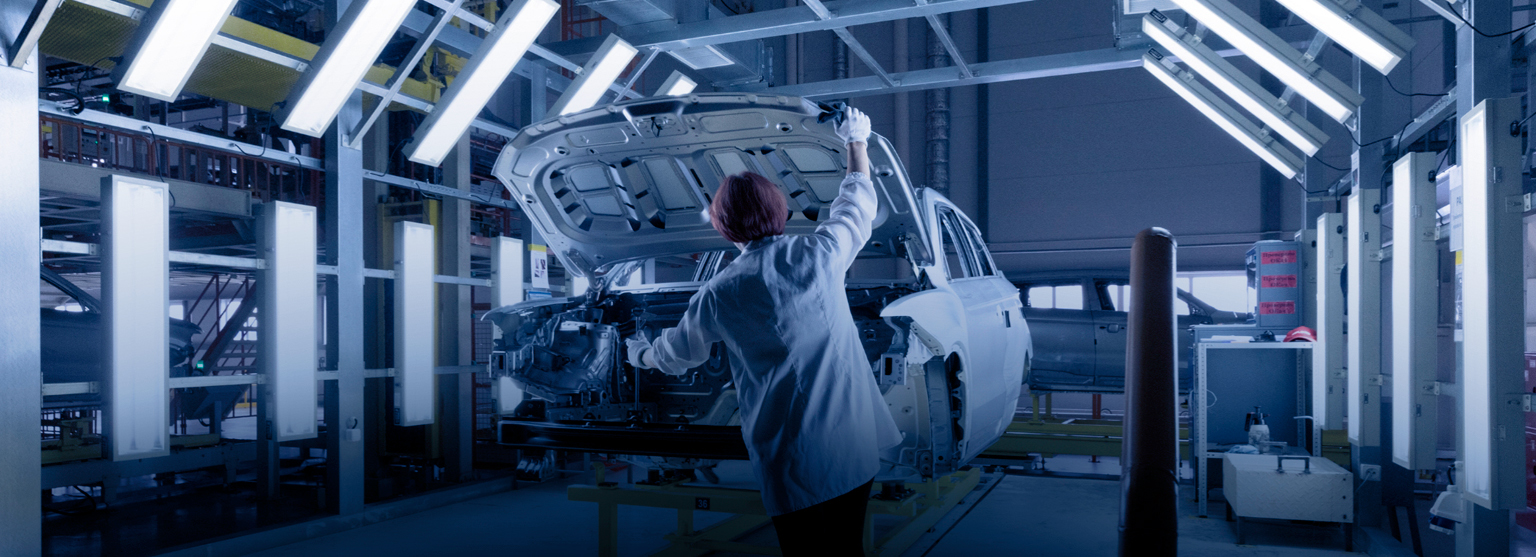
What Does a Tier 1 Automotive Plant Look For? The automotive industry is one of the most demanding sectors in the world in terms of quality, productivity, and innovation. Within this ecosystem, Tier 1 companies hold a strategic position by supplying systems and components directly to Original Equipment Manufacturers (OEMs) such as General Motors, Toyota,

CNC Cooling Systems: The Key to Protecting Your Investment and Maintaining Productivity

In modern manufacturing, every minute of production matters. However, there is one factor that often goes unnoticed yet can directly impact CNC machine uptime: heat buildup inside electrical enclosures. When internal temperatures exceed recommended levels, electronic components operate under increased stress, which can lead to premature failures, unexpected downtime, and higher maintenance costs. As a

EXPOMAQ 2026: Innovation, Technology, and Key Industry Connections for Manufacturing

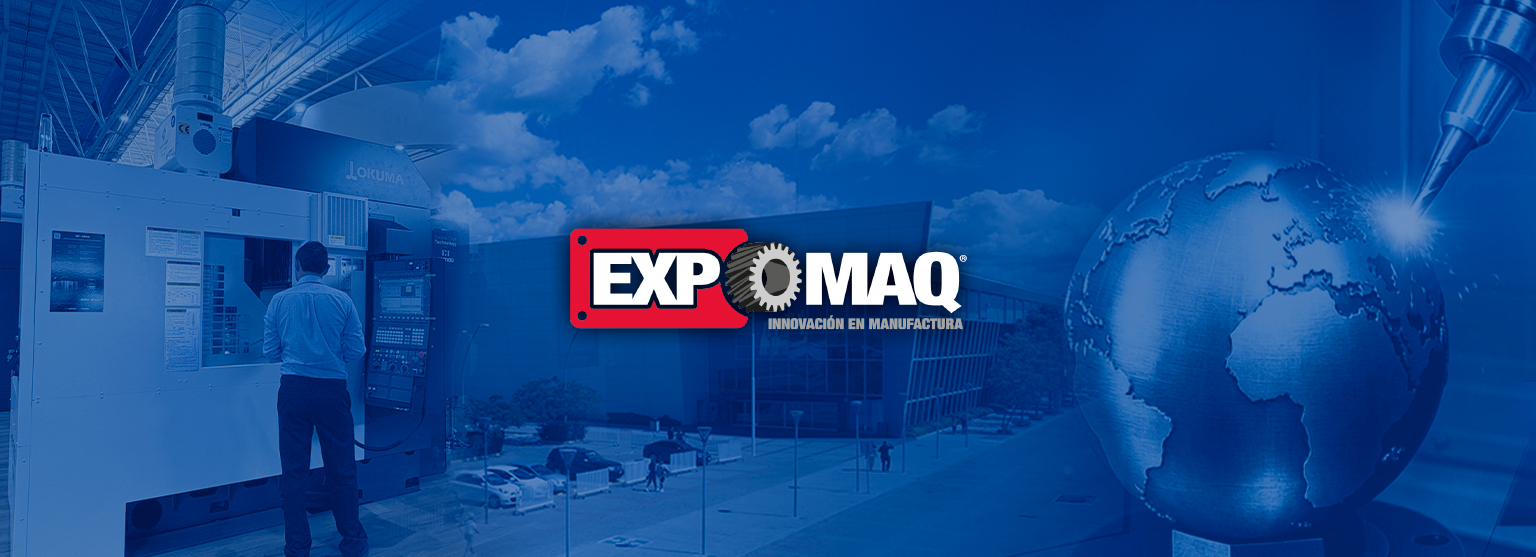
From June 2 to 4, HEMAQ participated in EXPOMAQ 2026, one of the most important events for the manufacturing industry in Mexico. Over the course of three days, the company shared innovation, technology, and expertise with customers, business partners, machine tool manufacturers, students, and industry professionals. Throughout the exhibition, HEMAQ showcased solutions focused on increasing

LiCON: German CNC Machining Technology for Today’s Manufacturing Challenges

At HEMAQ, we continue to expand  our portfolio with technologies that help manufacturers meet the demands of an increasingly competitive industry. As part of our partnership with MODIG, we are proud to add LiCON to our lineup—a German manufacturer specializing in high-performance CNC machining centers for the production of complex components. With more than 50

How Much Is It Costing You Not to Evolve Your CNC Process?

In many manufacturing plants, efficiency isn’t lost all at once—it quietly erodes with every transfer, every setup, and every machine changeover. And even if the process “works,” the real question is: is it performing at its full potential? The Traditional Fragmented Process LWhat is typically seen on the shop floor is a workflow divided by

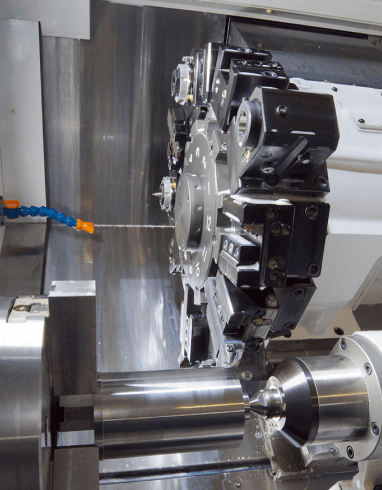
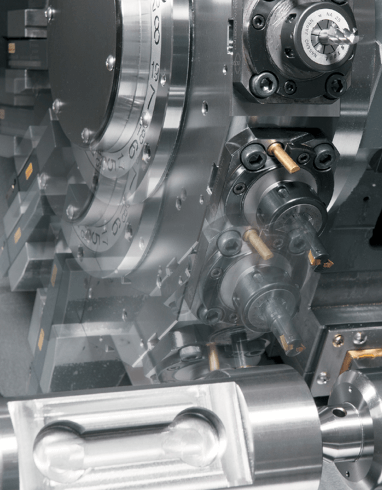
OKUMA MULTUS U1000 / U2000: Multitasking CNC Machines Redefining High-Precision Machining.

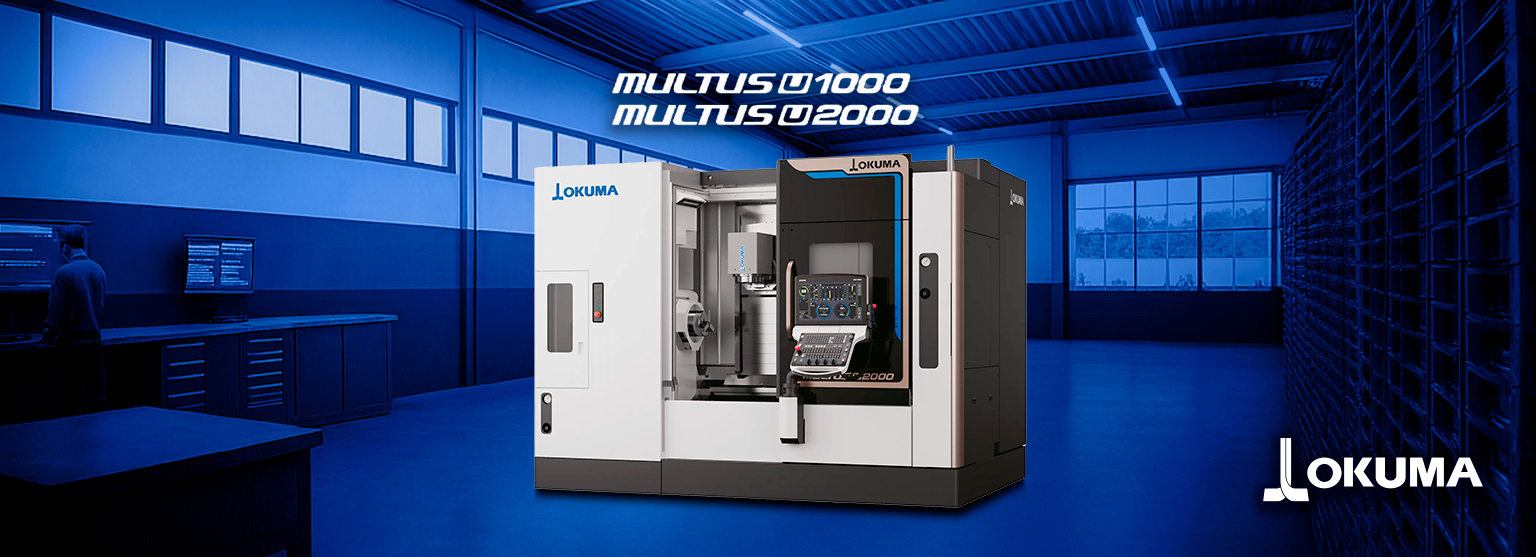
In advanced manufacturing, every investment decision in CNC machines has a direct impact on competitiveness. Today, the challenge is no longer just about increasing output, but about optimizing CNC machining, reducing shop floor space, and minimizing reliance on highly specialized labor. In this context, Okuma introduces a solution aligned with this evolution: the MULTUS U1000

When Tax Strategy Aligns with Productive Investment: The True Industrial ROI

In today’s industrial landscape, investing in CNC machinery is no longer just a technical decision—it is a financial, fiscal, and strategic move. Companies that successfully integrate these dimensions don’t just acquire equipment; they build sustainable competitive advantages. The true return on investment (ROI) is not found in the machine’s price tag, but in how it

A Complete Success: Rebaba y Brasas Fourth Edition

Rebaba y Brasas 2026 made it clear that the combination of CNC innovation, the heat of the grill, and a strong community exceeds all expectations, establishing itself as a key meeting point for the industry. In this edition, more than 118 companies from the industrial sector participated, gaining hands-on and dynamic exposure to the latest

Preventive Maintenance in CNC: Reducing Hidden Costs and Unplanned Downtime in the Plant

In many manufacturing plants, maintenance only comes into play once the machine has already stopped: an unplanned downtime, a critical alarm, parts falling out of tolerance, or a spindle that begins to emit an unusual sound. However, the real impact is not limited to the repair itself. The highest cost is often found in everything

From Technical Datasheet to Shop Floor: Selecting Technology with a Results-Driven Approach

In advanced manufacturing, the decision to invest in new CNC technology should not be based solely on catalog specifications. True validation takes place on the shop floor, where real-world tolerances, thermal stability, process capability, and KPI-driven performance pressure converge. Properly selecting a solution means translating technical requirements into measurable results. This is the critical bridge